Prescriptive Analytics

Prescriptive Analytics
Prescriptive Analytics


Authored by Ayesha Rajan, Research Analyst at Altheia Predictive Health


Introduction

Here at Altheia Predictive Health, we are constantly improving techniques for disease prediction and diagnosis to improve the lives of people around the world. Where we leave off, companies like IBM pick up and begin applying analytics to the next step in the disease management process which is a treatment plan. Prescriptive analytics in healthcare can refer to several different things but in this article, we will look at prescriptive analytics as it related to the study of prescribed steps for those with chronic conditions to better understand how to manage disease conditions at various stages of a given condition. This can be an extremely useful tool for doctors who are looking at a borderline case and deciding whether or not to begin medication treatments by giving them the ability to see compiled and analyzed data for similar cases.

Discussion

After being diagnosed with a disease, the next question patients and providers have is what steps can be taken to prevent progression of the disease and manage the negative effects of a disease; for some people this is achieved through diet and exercise, for others it may be a prescribed medication and it is highly dependent on several patient factors. Prescriptive analytics is rooted in how to best solve a problem – if the problem is diabetes, a prescriptive model would look at variables in a patient’s file to determine if the problem can be mitigated through diet and exercise. If not, the model would then provide a game plan for how to begin prescribing medicines in the most effective way for any given patient. In diabetes patients, insulin therapy is a common form of treatment where adjustments to a specific individual can be tricky but prescriptive analytics can use the data of similar patients to provide a tried and true treatment plan.  Prescriptive analytics can also be used in radiation therapy by weighing various favors, such as treatment location and surrounding organs, to provide a highly targeted treatment plan that treats an area with a calibrated dosage while leaving the rest of the body as unharmed as possible. This is something that we as humans can make educated guesses on but the use of prescriptive analytics is likely much more accurate which means better care for patients. 

This field of study also has an incredibly relevant application amidst the Covid-19 Pandemic. Throughout the pandemic data has been collected on patients such as their age, BMI, gender, ethnicity, presence of chronic conditions and more. All of this information combined with their response to treatment plans provides a unique opportunity to apply analytics – by looking at these sets of data together, we can use artificial intelligence to understand which patients respond better to certain treatment plans. This provides a great opportunity to improve Covid-19 survival rates and lower the number of patients suffering from long-term complications as a result of Covid-19. 

Conclusion

Prescriptive analytics in healthcare is essentially a way for analytics to troubleshoot disease conditions by providing a data-based treatment plan. By providing physicians with analytical tools, such as prescriptive analytics, we can significantly improve their success rate in treatment plans and as a result improve the quality of life for hundreds of thousands of people.


Blockchain

Blockchain

Blockchain Technology in Data Management


Authored by Ayesha Rajan, Research Analyst at Altheia Predictive Health


Introduction

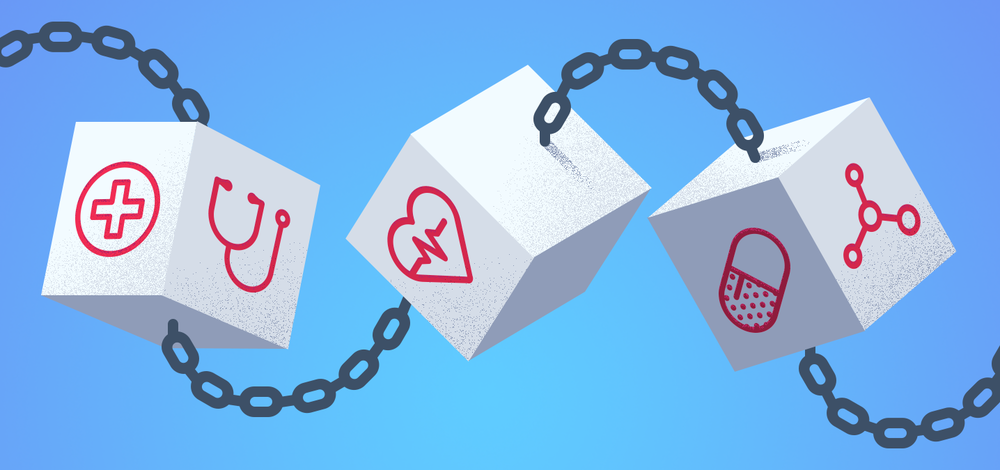
Big data in healthcare is a hot topic right now – we constantly hear about how analytics can predict health conditions, the health of a population, the spread of disease, support the efforts of wearable devices and more. There are a lot of cutting-edge developments in this field, however, they will all be undermined if data management in healthcare does not also catch up with these new tools and technologies. In this article we will explore the role blockchain technologies play in healthcare. 


Blockchain

One use of blockchain and crypto-technology in healthcare is to increase security and safety of data. Patient records are highly sensitive information that have been exposed to data breaches in the past and that is unacceptable but was hard to prevent in the era before blockchain technologies. Now, highly randomized and privatized algorithms can be used to increase the security surrounding these files and ensure a patient’s safety and right to privacy. This effort has been highly prioritized by nearly every healthcare organization including the United States government. A company working in this area, called Factom, has received $200,000 in grants from the Department of Homeland Security to further research and development in this area (Daley).

Another area in which blockchain can make great strides in healthcare is in communication networks. Currently, miscommunication costs the healthcare industry about $11 billion USD per year mainly due to the current process of coordinating medical records – that is a significant amount of money that could be much better spent elsewhere (Daley). Utilizing blockchain technology to create a means of transferring information privately and accurately should absolutely be a priority when using blockchain technology. 

Blockchain can also help protect information in the healthcare supply chain by providing secure and reliable processes to guarantee the authenticity of medicine. This can be done by creating a distribution system that marks a point of origin and keeps track of a shipments location and who it came in contact with. This ensures the medicines delivered to patients are from a legitimate supplier and have not been tampered with. In relation to recent developments in the field of medicine, this can also be useful in tracking the safety of medications and patients if their medication happened to come in contact with an employee who contracted Covid-19 – the tracking ledger can ensure that anyone who came into contact with contaminated products after the infected employee is notified and recommended to be tested. 


Conclusion

Blockchain technology is popping up in nearly every industry as a means to accurately and privately transfer information. This type of technology is extremely useful in the healthcare space and has many applications in disease control and prevention. However, another area in healthcare it can impact significantly is in data collection and management. By securing the data of patient’s, healthcare organizations not only ensure the peace of mind of patients but also better diagnoses by ensuring the accuracy of the data communicated. Blockchain technologies can also prevent delays in diagnosis caused by slow-moving communication which continues to support the notion that blockchain in data management is a powerful tool that can greatly benefit patients.


Works Cited

Daley, Sam. “15 Examples of How Blockchain Is Reviving Healthcare.” Built In, 2020, builtin.com/blockchain/blockchain-healthcare-applications-companies.

Discussing Recent Changes in the Availability to Covid-19 Data

Discussing Recent Changes in the Availability to Covid-19 Data

Discussing Recent Changes in the Availability to Covid-19 Data 

Authored by Ayesha Rajan, Research Analyst at Altheia Predictive Health

Introduction

 Just as we were beginning our weekends last week, our news channels were dominated by headlines detailing the story of how the Trump Administration has stripped the CDC of its access to Covid-19 data. Throughout the Covid-19 Pandemic the CDC has been an integral part of getting key information out to the public through press conferences, visual education material, data reports and more. For those reasons, this development is incredibly surprising and begs the question of who the public should look to for trusted information regarding the spread of and how to protect themselves from Covid-19. This also brings up several issues for hospitals and resource allocation, as well as many other issues for organizations relying on accurate data to make decisions.

Discussion 

The first question that you might ask in this regard is – how does the CDC get its Covid-19 data? The CDC was getting its data by hospitals directly sending them information. This move by the Trump Administration tells hospitals to bypass the CDC in data reporting and report information regarding all Covid-19 cases, as well as that hospitals available number of beds and ventilators, to the Department of Health and Human Services. This is incredibly problematic because many of the available models and projections made for Covid-19 have come from private and university researchers who rely on the fact that the CDC makes its data public, but the Department of Health and Human Services does not operate the same way. In fact, this has already impacted many researchers who claim that their models and prediction algorithms began underperforming when access to data was quietly taken away. This begs the question of whether or not who this data will be made available to and if this is simply a method to politicize the information the public is being given regarding Covid-19. Many scientists, physicians and leaders in the field have “long expressed concerns that the Trump administration is politicizing science and undermining its health experts [and feel that] the data collection shift reinforced those fears.”

Michael Caputo, a spokesperson for the Department of Health and Human Services, has said that his department and the CDC would share data so that it remained available to the public, however, many states, including Kansas and Missouri, have not received timely access to relevant data, with some hospitals saying they’ve experienced up to a week of lag time in receiving requested data. As hospitals across the nations are seeing new peaks in their Covid-19 cases, hospital workers have also said that this change in reporting of data is highly disruptive to their usual processes and taking time away from more pressing matters. Some workers also express a sense of frustration knowing that this increase in workload will only lead to less access to data in the future. Additionally, the Trump Administration has repeatedly made claims that the way testing is reported in the United States is leading to confusing reports and information regarding Covid-19. This brings up serious concerns for many physicians who worry that this thought process will lead to false or inaccurate reporting of Covid-19 cases in an attempt to support the goals of the current Administration.   

Conclusion

The recent changes in the reporting of Covid-19 cases and relevant information has been widely criticized by leading officials, physicians and the general public as an unnecessary stunt by the Trump Administration. Most have concurred that the decision puts many people at risk by complicating a process that has been in place throughout the pandemic and has supported the public access to and research of Covid-19 data. As we move forward in the battle against Covid-19, we must analyze how we can better access reliable data and provide hospitals with the tools necessary to prepare and succeed in their endeavors. 

Works Cited

[1]    Stolberg, Sheryl Gay. “Trump Administration Strips C.D.C. of Control of Coronavirus Data.” The New York Times, The New York Times, 14 July 2020, www.nytimes.com/2020/07/14/us/politics/trump-cdc-coronavirus.html.

Florida Covid-19 Predictions

Florida Covid-19 Predictions

Revisiting Our Covid-19 Predictions in Florida: What We Got Right, What We

Missed and What’s Next

Authored by Ayesha Rajan, Research Analyst at Altheia Predictive Health

Introduction

In our last article we reflected on our predictions regarding the spread of Covid-19. We made observations and predictions in March using linear regression and found that our data had an error rate of less than 10% when looking at the American population as a whole. However, many states had different rules and regulations for social distancing, mask wearing and other precautions, so we also made predictions based on different levels of regulations to predict the impact Covid-19 on hospitals and ICU beds. In this article, we will explore the accuracy of those predictions for the state of Florida and tools that can help us going forward as many states begin to see their number of Covid-19 cases spiking again. 


Analysis and Interpretation 

In our analysis we made the following predictions for the state of Florida based on different levels of precautions taken:

Predicted Hospitalizations with All Precautions Taken

April

May

June

Mid-June

July

August

2,208

2,028

18, 251 

19, 264

10, 139

2,208


Predicted Hospitalizations with Some Precautions Taken 

April

May

June

July

August

2,208

10,139

35,487

10,139

2,028


Predicted Hospitalizations with No Precautions Taken

April

May

Mid-May

June

Mid-June

July

August

2,208

20, 278

55, 766

40, 557

10, 139

3,042

2,028


While looking at this data, keep in mind that the number of hospital beds available in the state of Florida is 55,727. Looking back on our data, it’s clear that our model was very conservative. On one hand, we did accurately predict peaks and the fact that Florida would be overwhelmed with Covid-19 cases, however, we predicted that even with no precautions we would begin to see this come to an end in August. As we come to mid-July, Florida is the latest state to break American records with 15,000 new Covid-19 cases in one day which indicates that the end of the battle against Covid-19 in Florida is nowhere near over (Linton). In fact, as of July 7th, 2020, “at least 56 intensive care units in Florida hospitals reached capacity” with another 35 showing less than 10% availability (Chavez). 


The natural question to ask when making models such as these is how to improve them. In some ways, our model was conservative – in a no precautions setting, it was almost impossible that Florida could be in back in the same place it was in April. However, some error can be attributed to the lack of knowledge regarding the spread of coronavirus in March. We created these predictions based on Imperial College London’s pandemic model, however, the pandemic model could not account for the various changes, such as when and how certain things would reopen and was also based on the fact that we had a predicted end date. It was also limited in the fact that it was an agent-based model and not a stochastic model, which accounts for randomness such as the random meeting of two people and the impact they would have on their community if they were infected with Covid-19. The most accurate prediction models take in a lot more information about a more concentrated population. For example, it would not try to make every studied population follow the same multipliers because it would consider much more specified information about that population such as the occupations of a population, their ages and activities, their political engagement and beliefs, their methods of transportation, their attendance of religious functions and even more. 


Conclusion

What we can take away from this interpretation of data is that there is not a one size fits all model for pandemic predictions. Different counties, cities, states and countries all follow different schedules and habits and while most hospitals in Florida are overwhelmed, there are also likely some that barely see any or limited Covid-19 related issues. For this reason, it is extremely important to consider a lot more information about a more specified population than to use broad, blanketing equations; especially when the data is used for resource allocation. As we continue to battle Covid-19, it is important to take precautions such as wearing a mask in public places, practicing social distancing and maintaining good hygiene. 


Prevention

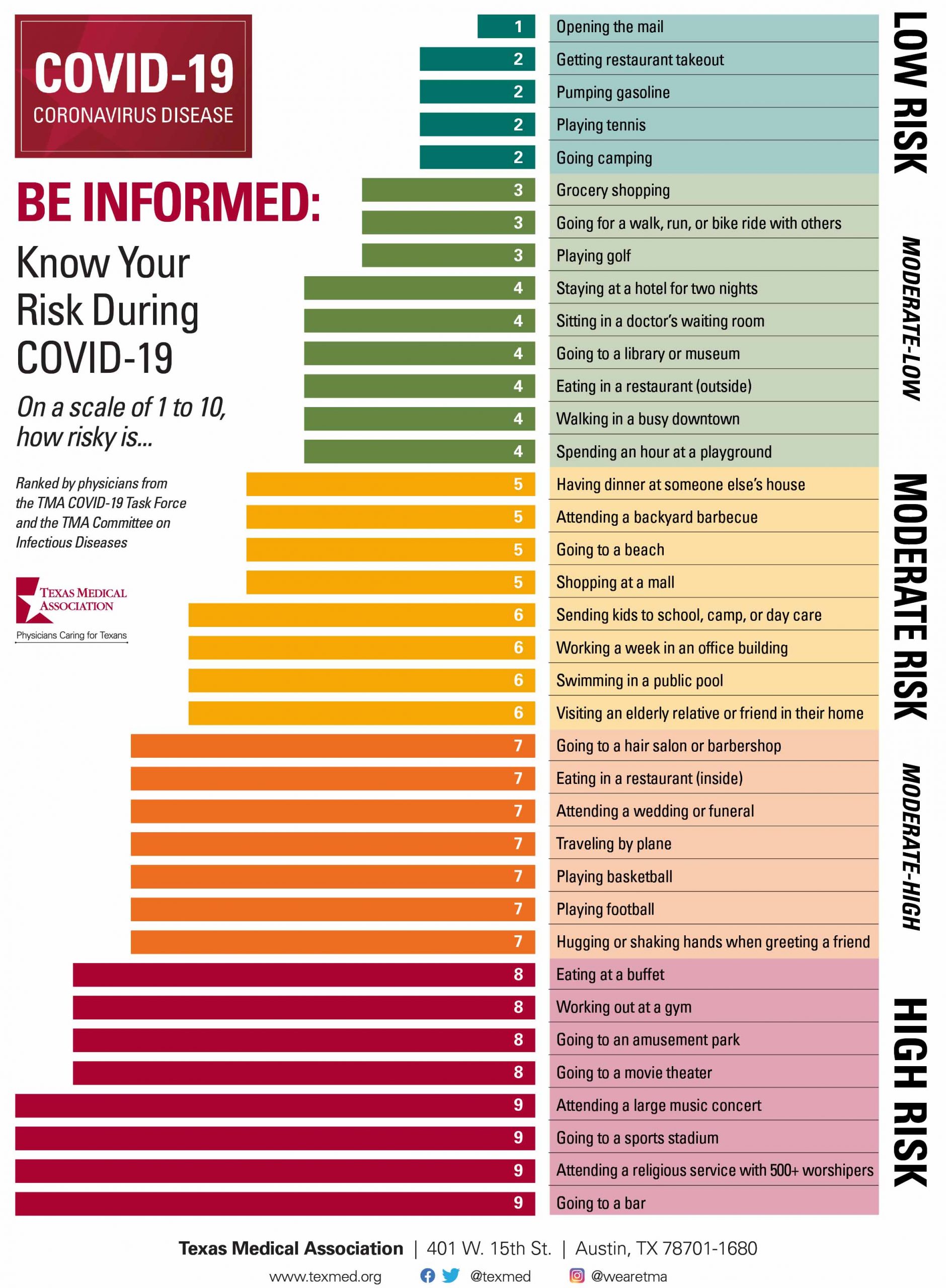
Take a look at the image below to see low to high-risk situations and understand how you can limit your exposure to Covid-19.


Florida Covid-19 Predictions

Reflecting on Our Covid-19 Predictions and How Analytics Can Continue to Help

Reflecting on Our Covid-19 Predictions and How Analytics Can Continue to Help

Authored by Ayesha Rajan, Research Analyst at Altheia Predictive Health

Introduction

As we climbed towards Covid-19 peaks across the country in March and April, we at Altheia Predictive Health looked at linear and exponential regression models of predicted case counts. We also used that data to make predictions regarding where hospitals would be overwhelmed. In recent weeks many states are seeing those peaks come back, so it seemed like the right time to look back at and reflect on our past Covid-19 predictions and look at how analytics can help us prepare for the second wave that many states are seeing come their way.

Discussion

When writing our first articles about Covid-19 we made two types of predictions for the U.S.– one used exponential regression and the other used linear regression.  As we noted in our previous articles, the curve had begun to flatten by the time we made our exponential regression observations so here we will focus on linear regression. For linear regression of total cases in the United States, our prediction table, as well as the actual case numbers and percent error are as follows:

Date

Predicted Value

Actual Value

Percent Error

April 10th, 2020

469,140

512,010

8.37%

April 11th, 2020

495,604

542,498

8.64%

April 12th, 2020

522,068

570,358

8.46%

April 13th, 2020

548,532

597,452

8.18%

April 14th, 2020

574,996

624,893

7.98%

April 15th, 2020

601,460

655,569

8.25%

April 16th, 2020 

627,923

685,712

8.42%


Though it is dependent on the scenario, a percent error of less than 10% is generally accepted as a fair prediction which bodes well, not only for validation of our predictions, but also for validation of linear regression as a tool to use in the planning, analysis and allocation of hospital resources. 

New Technology

Big data has been used at nearly every step in the battle of Covid-19. The first step is, of course, prevention. The most important part in prevention is to practice social distancing and other preventative measures and to maintain good hygiene and health. However, in terms of analytics, community tracking of Covid-19 cases can use contact networks to help mitigate risk in some ways. Think of someone who tested positive for Covid-19 as a member of a social network, such as Facebook. If you are friends with that person, you are in their network and your friends, even if they are not directly “friends” with the original positive case, are at risk because of their connection to you. Disease tracking works in a similar way by creating a network of everyone who came in contact with a positive case patient and who came in contact with those people, and so on.  

The next step is diagnosis and condition management and to help this effort, John McDevitt and his team at New York University have used artificial intelligence and big data to predict which Covid-19 patients are likely to experience severe cases. They did so by identifying biomarkers in blood tests of patients who died and patients who survived their battle with Covid-19. The research team found that there was a difference in the levels of C-reactive proteins, myoglobin, procalcitonin and cardiac troponin I. The patients who died of Covid-19 had elevated levels of these measurements; the researchers factored this into their risk equations (Kent). 

The next step in the battle against Covid-19 is the creation of a vaccine. While this is still very much “in the works,” scientists at 15 universities, including Johns Hopkins University, University of Wisconsin, University of Alabama, Pennsylvania State University and others, have partnered to share data samples of electronic health records to aid in the creation of a vaccine. The motivation behind this collaboration is to gather as much data about Covid-19 patients as possible in order to quickly identify patient responses to antiviral and anti-inflammatory treatments (Shephard).


Conclusion

As many states are hit with a second wave of Covid-19 cases, it is reassuring to know that analytics can be an extremely helpful tool in every stage of the disease. Analytics can identify at-risk groups that may need to take extra precautions in protecting themselves due either to exposure or preexisting conditions. Analytics tools are also useful at the care management stage where doctors can identify patients who need ventilators more than others if, as demonstrated during Italy’s first wave, there comes a time when decisions need to be made about where resources should be focused. Finally, these predictive tools will be helpful in the creation of a vaccine, especially when collaboration across research institutions is encouraged and beneficial. Ultimately, the existence and widespread use of analytics in disease prevention and management is an encouraging fact as it greatly accelerates our ability as a society to bounce back from the struggles caused by Covid-19.


Prevention

Take a look at the image below to see low to high-risk situations and understand how you can limit your exposure to Covid-19.


Works Cited

Kent, Jessica. “How Artificial Intelligence, Big Data Can Determine COVID-19 Severity.” HealthITAnalytics, 15 June 2020, healthitanalytics.com/news/how-artificial-intelligence-big-data-can-determine-covid-19-severity.

Shephard, Bob. “Enlisting Big Data to Accelerate the COVID-19 Fight – News.” UAB News, 2020, www.uab.edu/news/research/item/11371-enlisting-big-data-to-accelerate-the-covid-19-fight.